Does Tarion Cover a Squeaky Floor in Ontario?
Yes, Tarion covers a squeaky floor in a new Ontario home during the first year, when the squeak comes from a loose connection in the floor system. Squeaks caused by normal shrinkage of materials as the house dries out after construction are excluded.
Tarion’s Construction Performance Guidelines deal with floor squeaks in Article 2.4 and with squeaky stairs in Article 10.12. Both are one-year work and materials items. So the question is never just whether the floor squeaks. It is why it squeaks, and whether you are still inside the first year of possession.
Tarion administers the new home warranty. Builders are licensed and regulated separately by the Home Construction Regulatory Authority (HCRA), a split that has applied since 1 February 2021.
What Article 2.4 Says About Floor Squeaks
Article 2.4 accepts some squeaking from normal shrinkage of materials after construction, but requires floors to be “reasonably free from squeaks” caused by movement in the floor system connections under normal seasonal indoor humidity and loading. Where loose connections are causing the squeaks, the guideline says they are to be repaired.
The remarks attached to the floor squeak article add three points that matter in a claim:
- Long periods of low indoor humidity can shrink the wood enough to loosen floor connections, and very humid conditions can swell the wood and cause pressure squeaks.
- The homeowner is responsible for keeping indoor humidity at a level that prevents excessive drying or expansion.
- A permanently squeak-free floor may not be attainable.
There is no numeric tolerance. The standard is the plain-language phrase above, with no decibel level, count or measurement attached. Anyone quoting you a number is not quoting Tarion.
Stairs and Subfloors Have Their Own Articles
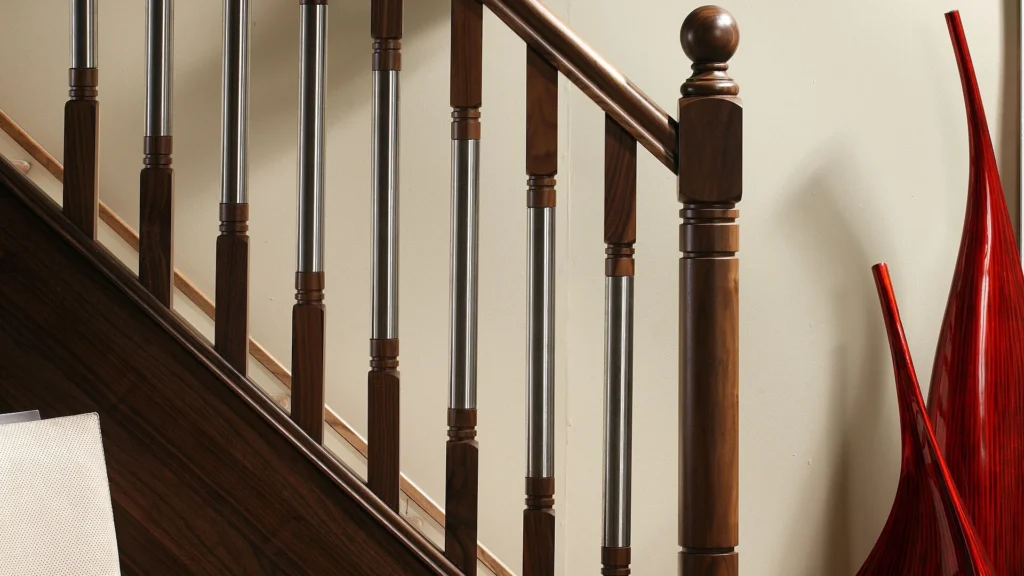
Squeaky stairs are covered by a stricter article than floors. Article 10.12 says stair risers and treads shall be free of squeaks caused by loose or inadequately fastened joints, with no “reasonably” in the wording. It is also a one-year work and materials item, and it excludes squeaks from normal shrinkage after construction, improper maintenance, and normal wear and tear. Its remarks note that a squeak-free stair may not be attainable.
Article 2.3 covers a loose subfloor. It sits under the one-year work and materials warranty and the one-year Ontario Building Code coverage, and delamination of a plywood subfloor is treated as a warranted material defect. If a squeak comes with a subfloor that visibly moves or has come apart, name both articles when you report it.
Which Tarion Warranty Period Covers a Floor Squeak?
A floor or stair squeak falls under the one-year warranty only. The longer warranty periods cover other things:
| Warranty period | What it covers | Relevance to a squeak |
|---|---|---|
| 1 year | Work and materials, and Ontario Building Code violations | Floor squeaks (2.4), stair squeaks (10.12) and loose subfloor (2.3) sit here |
| 2 years | Water penetration, the building envelope, electrical, plumbing and heating, and Building Code health and safety items | Squeaks are not listed |
| 7 years | Major structural defects | A squeak by itself is not a major structural defect |
A squeak that is still there after the first year does not become a seven-year claim because it has not gone away. A separate claim would need evidence of a major structural defect, not just noise.
One change to watch: Tarion consulted in early 2026 on proposed updates to 22 guideline articles, including changes to clarify the causes of floor squeaks, with feedback closing on 27 February 2026. When we checked on 13 October 2026, the published guidelines still carried the June 2024 update, so this post follows that wording. Check the current edition at tarion.com before relying on it.
What to Do When Your New Floor Starts Squeaking
Report the squeak to your builder in writing as soon as you notice it, record it, and make sure it goes into your Tarion first-year submission. The builder gets the first chance to investigate and repair warranty items before Tarion becomes involved.
Keep a record of:
- the room and the exact spot, marked on a simple floor sketch
- a short video with sound, taken while someone walks over the spot
- whether ordinary walking sets it off, and whether it happens every time
- the date you first noticed it, and whether it changes with the seasons
- the indoor humidity when it squeaks, read from a hygrometer
- any visible gaps, bounce or movement
- every email, message and visit from the builder, with dates
The humidity reading matters because Tarion’s remarks put indoor humidity on the homeowner. A record showing the house was kept at a normal level answers the first question an assessor is likely to ask.
A video will not show the cause, but it fixes the location and makes the builder’s investigation faster. If a repair contractor looks at the floor, keep their written findings and photos. An outside opinion does not decide the claim, but it helps show whether the noise comes from the flooring or from the connections underneath. Check with Tarion before paying anyone to repair an item that is part of an open claim, because that can complicate the claim.
How Long Do You Have to Report a Squeaky Floor to Tarion?
You have the first year of possession, and you report through the forms Tarion sets for your possession date. Floor and stair squeaks are one-year items, so they have to be reported inside that year.
For homes with a possession date on or after 1 May 2024, Tarion uses three first-year forms: the Initial Form, the Mid-Year Form and the Year-End Form. Each one is submitted automatically on a set day after possession. Homes with an earlier warranty start date stay on the older 30-Day Form process.
We do not repeat the day counts here, because many guides still describe the old process and a wrong deadline can end a claim. Find your possession date, then read the current schedule on Tarion’s claims process page. Do not leave a squeak until the last form. Report it to the builder in writing early and put it on the next form that comes due.
What Happens After You Submit a Tarion Claim?
The builder gets a repair period first, and Tarion steps in through conciliation only if items are still unresolved. Conciliation is when Tarion assesses the item itself and decides whether it is warranted. The windows for the builder’s repair period and for requesting conciliation depend on which form the item was on, and Tarion sets out the current windows on its website.
Keep everything through the process:
- your first written report to the builder
- emails and text messages
- photos, videos and humidity readings
- builder responses and dates of repair attempts
- any inspection reports
- Tarion forms and correspondence
These records answer the two questions that commonly come up in a dispute: when the squeak was first reported, and whether the builder fixed it.
What If Tarion Denies the Squeaky Floor Claim?
You can appeal a Tarion decision to the Licence Appeal Tribunal (LAT). Under the Ontario New Home Warranties Plan Act, a homeowner has 30 days from the date they were served with Tarion’s Decision Letter to file the appeal. A late appeal has to include a Notice of Motion asking for an extension of time.
Read the reason in the Decision Letter first. In a squeak claim the reason is likely to be one of three findings: Tarion found the squeak came from normal shrinkage of materials, found the floor met the guideline, or found the evidence did not establish a warranted condition. Your records answer the third. After a hearing, LAT can confirm Tarion’s decision, or order Tarion to pay compensation or arrange repairs.
Does Tarion Coverage Transfer When a Home Is Resold?
Yes, the remaining coverage transfers when the home is under seven years old and enrolled with Tarion. Tarion says the new owner should contact Tarion with proof of ownership to have the warranty moved into their name, and Tarion then shares the home’s warranty history.
For squeaks the detail that matters is the date. The warranty runs from the original possession date, not from your purchase, and squeaks are one-year items. If you buy a home that is two years old, the squeak coverage has already ended, even though seven-year structural coverage remains.
What If the Tarion Warranty Has Expired?
After the first year you arrange and pay for a squeak repair yourself, and in most new homes it is a targeted fix, not a new floor. The usual cause is a subfloor sheet that has lifted slightly off a joist as the framing lumber dried.
Builders commonly glue subfloor sheets to the joists, but construction adhesive is standard practice rather than a code requirement. An Ontario code guide to subfloor framing lists it as an optional way to stiffen the floor and reduce squeaks, so a new house can still squeak. Where the squeak sits over an unfinished basement, the subfloor is drawn back down to the joist from below and the finished floor is never touched. Where there is no access below, the repair is made from above through the flooring, which takes more care on hardwood or tile.
If you need a private diagnosis after the warranty period, Squeaky Floor repairs squeaky floors and stairs in Ontario, including in new builds. Our new-build squeak repair page explains how we approach them. You can also request a free diagnosis to find what is moving before you decide on a repair.
Should You Make a Tarion Claim or Pay for a Private Repair?
Inside the first year, make the claim. Document the squeak, give the builder the chance to fix it, and use the Tarion process if the builder does not. Paying privately for an item that is covered means paying for something you are entitled to have repaired.
After the first year, the repair is private. Before paying for anything invasive, have the cause found. If the squeak can be reached from below, there is no reason to lift finished flooring.
How Much Does a Private Squeak Repair Cost?
For budgeting, a single squeak or a short run of flooring typically falls between $200 and $1,100, and a squeaky staircase typically runs $100 to $450. These are typical budgeting ranges, and the price is set in a written quote after a free diagnostic visit.
What moves the number:
- whether the joists can be reached from below
- the flooring above: carpet is forgiving, hardwood and tile take more care
- how many separate spots are moving
- whether it is a squeak or a soft spot, which is a different scope
Before hiring anyone, ask:
- What is causing the squeak?
- Will you work from below or from above?
- Will any flooring be lifted?
- Is any finishing work included?
- What exactly is included in the price?
- Is any workmanship warranty set out in the written quote?
The Squeaky Floor cost guide explains what moves the price up or down.
Frequently Asked Questions
Is every squeak in a new Ontario home a construction defect?
No. Tarion accepts some squeaking from normal shrinkage of materials after construction. A squeak caused by a loose connection in the floor system is a warranty item; a squeak from normal drying of the wood is excluded.
Is there a decibel limit for floor squeaks under Tarion?
No. The guidelines set no decibel level, count or measurement. The floor standard is that floors be reasonably free from squeaks caused by movement in the floor system connections.
Are squeaky stairs in a new home covered by Tarion?
Yes, in the first year, under Article 10.12. Treads and risers are to be free of squeaks caused by loose or inadequately fastened joints. Squeaks from normal shrinkage, improper maintenance and normal wear and tear are excluded.
What are Tarion’s first-year forms called?
For homes with a possession date on or after 1 May 2024, they are the Initial Form, the Mid-Year Form and the Year-End Form. Older homes stay on the 30-Day Form process. Check the current submission days on Tarion’s website against your own possession date.
How long do I have to appeal a Tarion decision on a squeak?
Thirty days from the date you were served with the Decision Letter, according to the Licence Appeal Tribunal. A late appeal needs a Notice of Motion requesting an extension of time.
Does squeak coverage carry over if I buy a resale home under seven years old?
Only if the home is still in its first year of possession. The remaining warranty transfers to you, but squeaks are one-year items counted from the original possession date.
Bottom Line
Tarion covers a squeaky floor or stair in the first year when a loose connection is the cause, and excludes squeaks from normal shrinkage. Report it to the builder in writing, keep a record that includes indoor humidity, and get it onto your first-year forms well before the year ends. Once the year has passed, have the cause found before paying for a repair. In most cases the floor does not need replacing.
About this guide: written by the Squeaky Floor Team. This is general information, not legal advice; confirm deadlines for your home directly with Tarion.