Squeaky Floor Repair, Ontario

Squeaky Floor Repair Across Ontario

A squeak is a mechanical problem with a specific location. Somewhere under your floor a subfloor panel or plank has separated slightly from the joist beneath it, and every time you walk over that spot it flexes against a fastener that stopped gripping years ago. We find that exact connection and close it, from the basement where there is access and discreetly from above where there is not. That is the whole job. We do not sand, we do not sell replacement flooring, and we do not put powder in a seam and call it fixed.

We locate the exact connection that is moving
Free written quote before anything starts
Floors, stairs and subfloors
Tidy work in occupied homes

Get Your Free Quote

What can we help with?

So the right crew reviews your project.

Why Homeowners Call Us

One Thing, Done Properly

Squeaky floors and stairs are what we do. Not installation, not refinishing, not carpet. A narrow trade means we have seen your particular noise before.

We Do Not Mask It

Powder in a seam quiets a squeak for a few weeks because it lubricates two surfaces that are still moving. We stop the movement instead.

Old Housing Is the Point

Most of Ontario's squeak-prone stock is pre-1980, and the way a floor was built in 1912 is not how one was built in 1975. We work out which you have.

How a squeak actually works

The Mechanism, in One Paragraph

Subfloor is fastened down onto joists. For most of the last century that fastening was nails, and a nail holds a panel down without ever drawing it tight against a joist that sits slightly proud or slightly low. That leaves a small gap from the day the house was built. Then wood does what wood does: it takes on moisture through a humid summer and gives it up once the furnace runs, shrinking a little each heating season. Over decades that cycle works the fastener until the panel can flex into and out of that gap under your weight, rubbing against the smooth shank of the nail. The rubbing is the noise. Which is why fixing the flooring on top almost never holds, and why closing the gap at the joist does.
The Problems We Fix

We organise our work by the problem rather than by the room, because a squeak on a staircase and a squeak in an upstairs bedroom have different causes and different fixes.

Treads, risers and wedges

Squeaky Stairs Repair

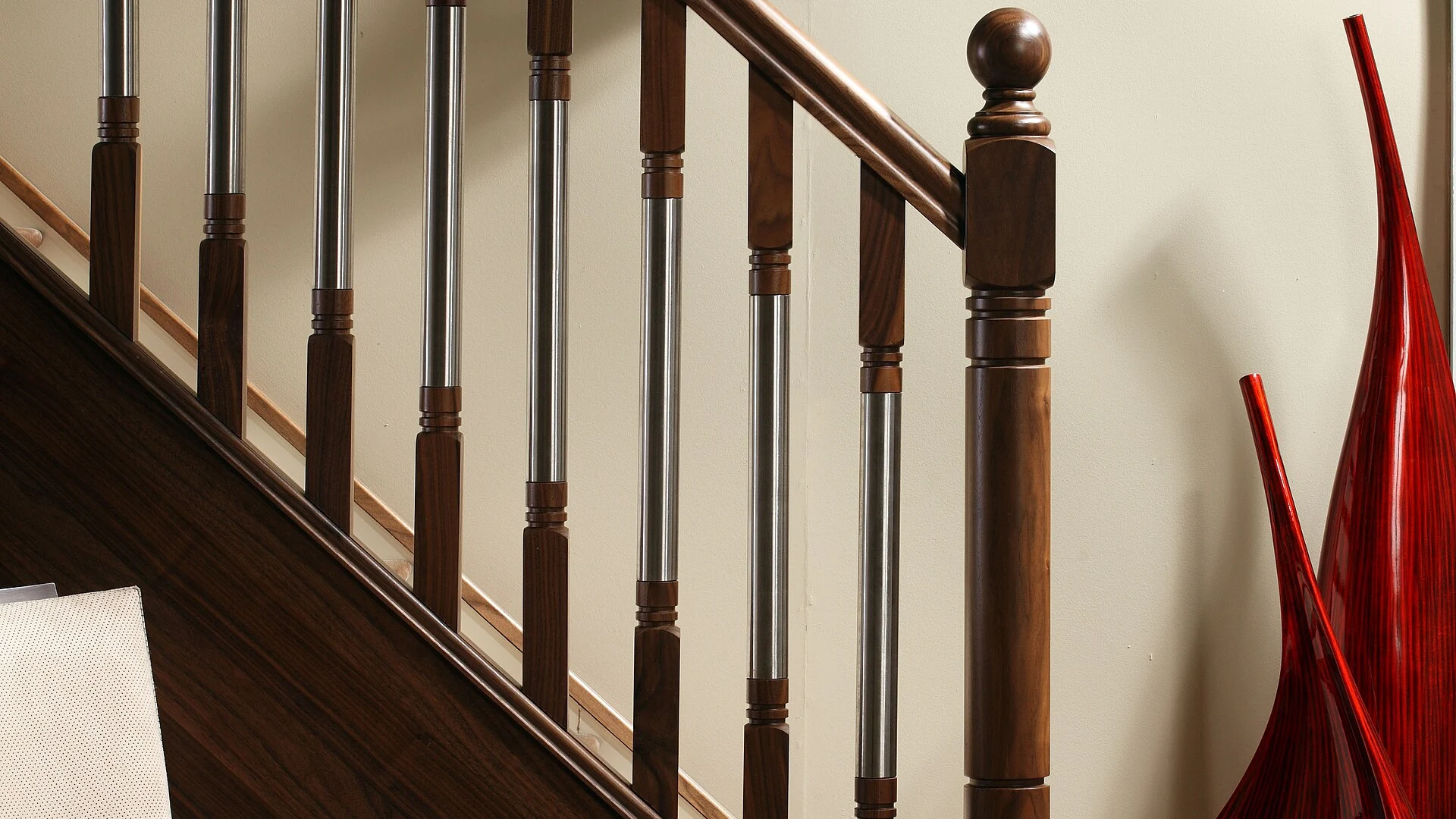
Loose treads, failed glue blocks and backed-out wedges, refastened at the joint that is actually moving. Priced by tread, because that is how the work scales.

Solid and engineered

Squeaky Hardwood Floor Repair

The board or fastener that has worked loose, located and fixed in place. Solid hardwood squeaks at the blind nail; engineered more often at a seam or the subfloor beneath.

The actual root cause

Squeaky Subfloor Repair

The panel or plank separating from the joist under your finished floor. Fix this and the noise does not come back. Fix the flooring above it and it usually does.

Heard from the room below

Squeaky Floors Upstairs

The most common call we get. An upstairs floor is also a ceiling, so there is no basement void to absorb the noise before it reaches whoever is sitting underneath.

Carpet stays down

Squeaky Floor Repair Under Carpet

Carpet is the most forgiving surface to work through, because the pile closes completely over a small entry point. No lifting, no re-stretching, no tack strips.

Check the warranty first

Squeaky Floors in a New Build

Ontario's new home warranty guidelines address floor squeaks directly. Before paying anyone, it is worth knowing what is covered and what is excluded.

Adjacent Repairs We Also Handle

Hardwood Board Repair

Damaged, split or cupped boards lifted and replaced at board level, blended into the surrounding floor rather than replacing the room.

Laminate and Vinyl Plank

Separated click joints, buckling from an insufficient expansion gap, and hollow areas where a floating floor bridges an uneven subfloor.

Water Damage and Basements

Cupped, delaminated or swollen flooring and subfloor after a leak, and the different problems that come with flooring over a concrete slab.

What This Usually Costs

We quote every job in writing once we know the actual cause and scope. These are typical starting ranges compiled from published Ontario cost data for this kind of work, published here so you can budget before you call rather than having to ask. They are not a fixed price list and they are not our confirmed rate card.

Diagnostic Visit

Free

In-home visit or a photo-based read
We identify the actual cause
No obligation to book anything

Request a Visit

Whole-Room or Subfloor Work

$1,000 – $3,500 typical

Multiple areas or subfloor access needed
Full on-site scope walkthrough
Written quote before anything begins

Get a Free Quote
Our Process

How It Works

1

Tell Us Where and When

Where in the house, and whether it is year-round or only once the heating comes on. That distinction alone narrows the cause considerably.

2

We Ask What Is Underneath

An open basement, a finished ceiling, or another room. Access is the single biggest factor in both the method and the price.

3

Written Quote, No Surprises

Nothing gets touched until you have seen the full scope and price in writing, and there is no obligation attached to it.

4

Repaired, Tested and Explained

We close the connection, walk the area again under real weight, and show you what was moving before we leave.

Slowing Down the Next One

None of this fixes a squeak you already have. It does change how quickly the next one shows up.

Keep Winter Humidity Up

A humidifier through the heating season reduces how far the wood shrinks, which slows how fast fasteners loosen. It will not fix an existing squeak, but it delays the next one.

Skip the Steam Mop

Use whatever your flooring manufacturer recommends. Steam and heavily wet mopping drive moisture into seams and into the subfloor, which is the opposite of what you want.

Notice What Changed

Squeaks that appear after a renovation are usually about how load moves through the floor now, not about the renovation being done badly. Mention it when you call.

Know What Is Worth a Call

A noise is a noise. A floor that feels soft, springy or that visibly moves underfoot is a different category and worth having looked at sooner.

What We See Across Ontario

Deep Pre-1960 Stock in the Old Cities

Twenty-nine per cent of Toronto homes were built in 1960 or earlier, and Hamilton's lower city runs above seventy per cent in places. That is plank subfloor over sawn joists.

A Very Large Postwar Middle

Ottawa's biggest single cohort is 1961 to 1980, and the suburbs built through the 1950s to 1970s used plywood nailed rather than glued. Fifty to seventy years is plenty.

A Sharply Seasonal Problem

Search demand for this work peaks between February and April and bottoms out in midsummer, which tracks exactly with dry indoor heating air shrinking wood.

What Homeowners Tell Us

Real feedback from customers we have worked with, across floors, stairs and hardwood repairs.

5/5

They repaired several damaged hardwood boards in our living room and blended the replacements beautifully with the existing floor. The team was punctual, tidy, and careful throughout the job. You can barely tell where the damage was.

Michael

Direct Client

5/5

Our laminate flooring had lifted near the kitchen after a small water leak. They replaced the affected sections and repaired the surrounding area. The finished repair looks clean and matches the rest of the flooring very well.

Daniel

Direct Client

5/5

We needed an urgent flooring repair after several boards became loose and uneven. The team responded quickly, secured the boards, and corrected the uneven sections. Professional service and a high-quality repair from start to finish.

Robert

Direct Client

Where We Work

We cover Toronto and Ottawa and the older towns and neighbourhoods around them. Our coverage is weighted by how old the housing is rather than how large the population is, because squeaks come from age of construction, not from headcount.

The deepest old stock in the country

Toronto

Twenty-nine per cent of homes built in 1960 or earlier, against twelve per cent across the rest of the region.

A large postwar middle

Ottawa

Around 180,000 homes, roughly forty-four per cent of the city, built before 1981.

The oldest large-city stock in the region

Hamilton

Thirty-three per cent of dwellings built in 1960 or earlier, and over seventy per cent in parts of the lower city.

Oshawa and Whitby

Durham Region

Auto-era worker housing from 1912 onward, plus two protected heritage cores in Whitby and Brooklin.

Burlington and Oakville

Halton

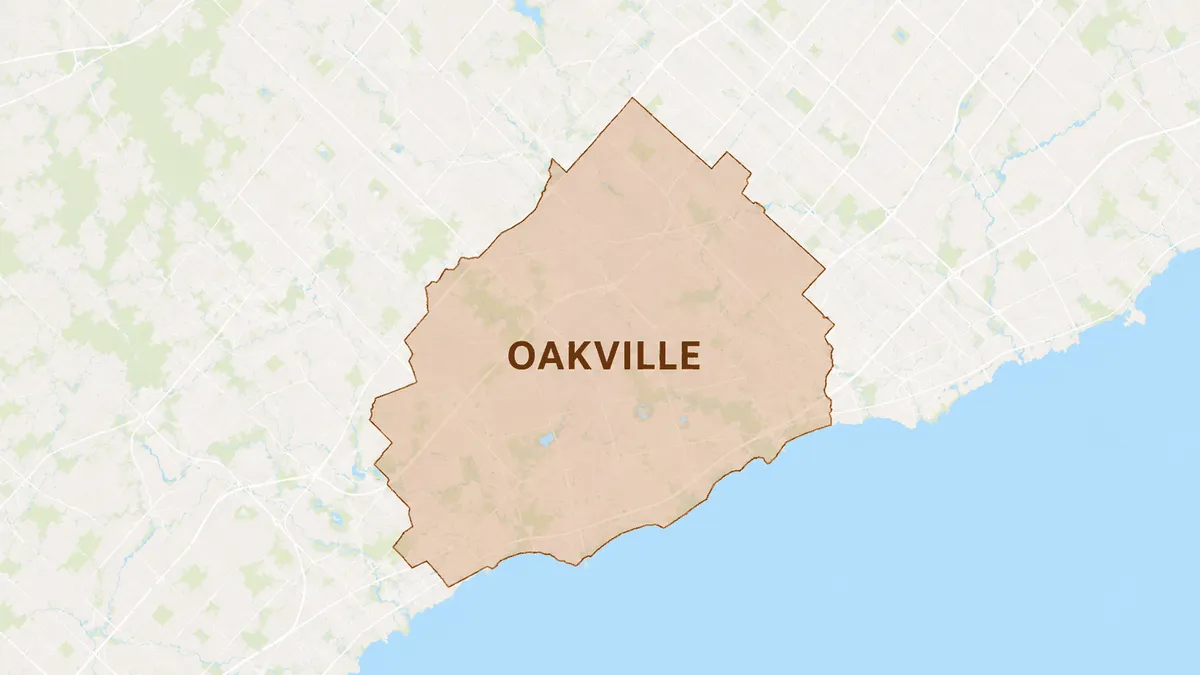
A postwar band from the 1958 Burlington annexation, and a wood-framed historic core in old Oakville and Bronte.

Four pockets, not the whole city

Older Mississauga

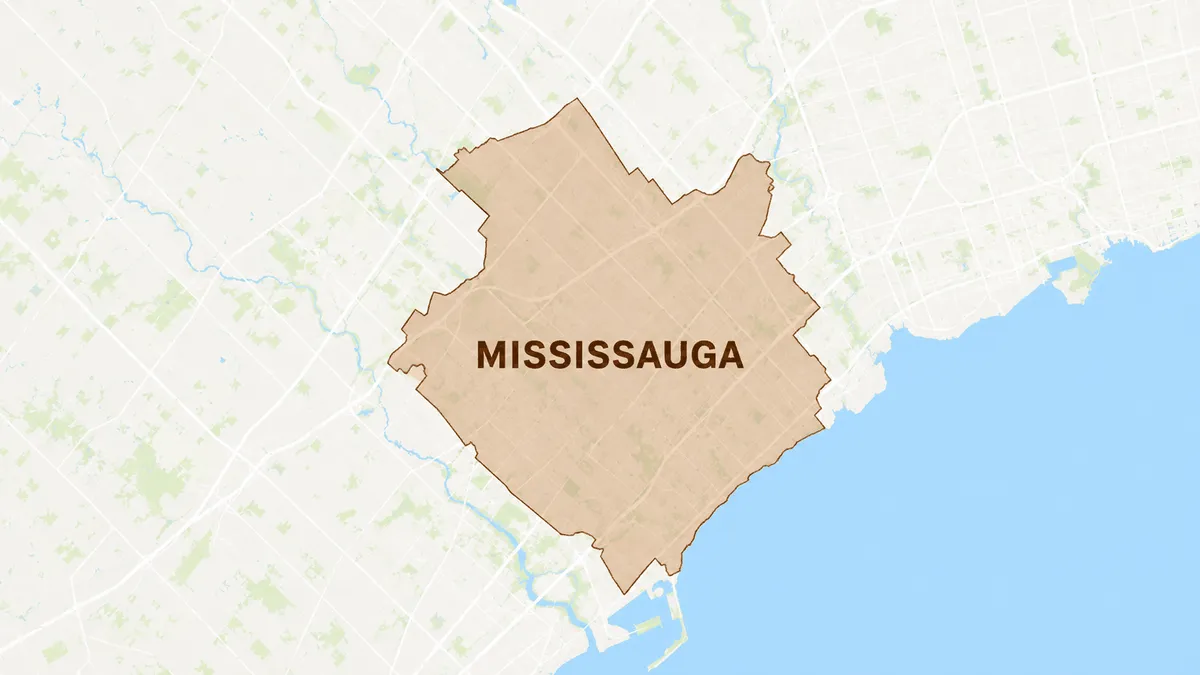
Lakeview, Port Credit, Streetsville and Cooksville. The rest of the city is too new to be worth a page.

Frequently Asked Questions

What exactly causes a floor to squeak?

Friction between two things that should not be moving relative to each other. Nearly always that is a subfloor panel or plank that has separated slightly from the joist beneath it, flexing against the fastener that is supposed to hold it still. Less often it is board rubbing on board, or a stair tread moving against its riser. In every case the noise is movement, which is why anything that only reduces friction gives you a temporary result.

Why does our floor squeak more in winter?

Wood is hygroscopic, meaning it exchanges moisture with the air around it. Once the furnace runs, indoor air dries out, the wood gives up moisture and shrinks slightly, and fasteners that were snug in August lose their grip. It is a normal mechanical response to a long Ontario heating season, not a sign the floor was built badly. It is also why demand for this work peaks between February and April.

Do you have to pull up our floor to fix it?

Rarely. Where the joists can be reached from a basement or crawlspace, we work from below and your finished floor is never touched at all. Where they cannot, there are discreet from-above methods that reach the connection through the flooring with a very small, repairable point of entry. Carpet is the most forgiving surface for this because the pile closes over completely.

Is a squeaky floor a structural problem?

Usually not. A squeak is a fastening and friction issue and a noisy floor can stay noisy for decades without anything else happening. What does warrant attention is a floor that feels soft, springy, or that visibly deflects underfoot, because that suggests the support beneath is not doing its job. If we find that on site we will tell you plainly rather than quietly patching over it.

How much does squeaky floor repair cost?

Most single-spot repairs fall in the range of roughly $200 to $1,100, with larger subfloor work running from about $1,000 to $3,500 and stairs priced per tread at roughly $175 to $450. Those are typical starting ranges from published Ontario cost data rather than a rate card. The main variable is access: an open basement below the noise is the cheapest scenario by a distance.

Do you cover our area?

We work across Toronto and Ottawa and the older towns and neighbourhoods around them, including Hamilton, Oshawa, Whitby, Burlington, Oakville, Thornhill, Unionville and the older parts of Mississauga. Our coverage is deliberately weighted toward older housing rather than population, so if you are in a newer subdivision it is worth asking rather than assuming.

Our house is brand new and it already squeaks. Is that normal?

It happens more than people expect, because framing lumber dries out over the first year or two and shrinks as it does. In Ontario this is addressed directly in the new home warranty construction performance guidelines, which treat squeaks caused by movement in floor system connections differently from squeaks caused by normal shrinkage after construction. It is worth checking your warranty position before paying anyone.

Will the squeak come back after you fix it?

Not that connection, no. A repair that closes the gap between subfloor and joist is a mechanical fix and it holds. What does happen in older houses is that once the loudest squeak is gone you start noticing the next one, because it was always there and was simply masked. That is not the repair failing, and we will tell you upfront if we think a floor has more than one.

Ready to Stop Hearing Every Step?

Get a free written quote for squeaky floor, stair or subfloor repair anywhere we work in Ontario.

Back to top