A postwar city, with older cores inside it
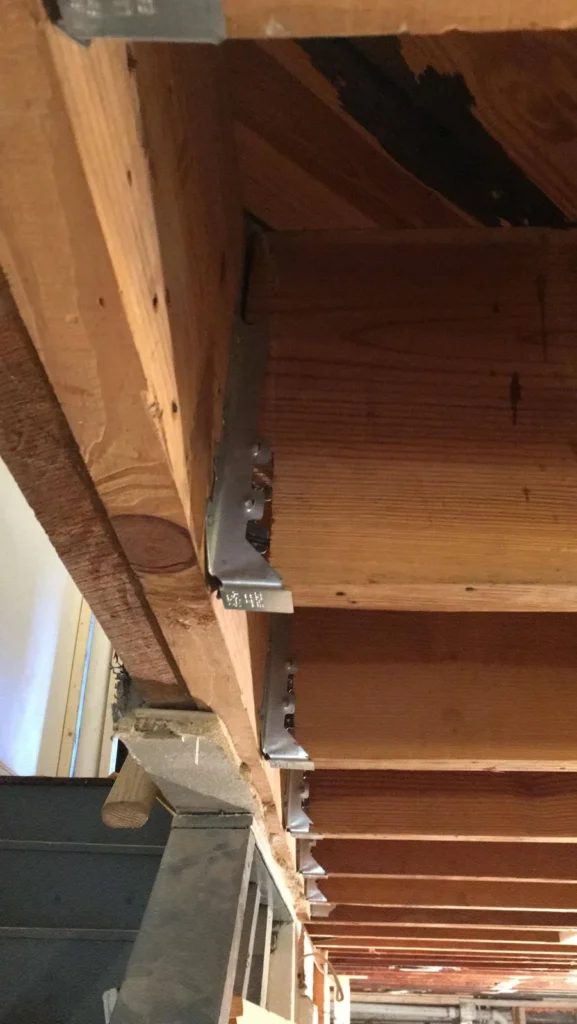
Ottawa’s housing is younger than Toronto’s, and that changes where its squeaks come from. In the 2021 census only 15.9 per cent of Ottawa’s 407,250 occupied dwellings were built in 1960 or earlier, against 29 per cent in Toronto. The largest single band in Ottawa is 1961 to 1980, at 28.3 per cent of homes. Houses of those years typically have plywood sheet subfloor nailed to the joists, and after forty or more heating seasons the nails no longer hold every sheet tight. The pre-war stock sits in a few inner neighbourhoods, such as New Edinburgh, the Glebe and Old Ottawa South, where board subfloor laid across sawn joists is more common than plywood. At the other end, about 29 per cent of Ottawa homes were built from 2001 to 2021, and a squeak in one of those is usually a construction detail rather than age (Statistics Canada, 2021 Census Profile).