Board-level replacement Solid and engineered Free written quotes

Hardwood floor repair

Squeaky Floor repairs damaged, cupped and gapped hardwood, replacing individual boards and blending them into the existing floor rather than starting over.

Board replacement, gap and cupping repair, and refastening sections that have moved with the seasons.

Get a Free Quote for This Repair

Tell us about your project and we will get back to you within 24 hours.

What can we help with?

So the right crew reviews your project.

No obligation. We reply within one business day.

What goes wrong with hardwood other than noise

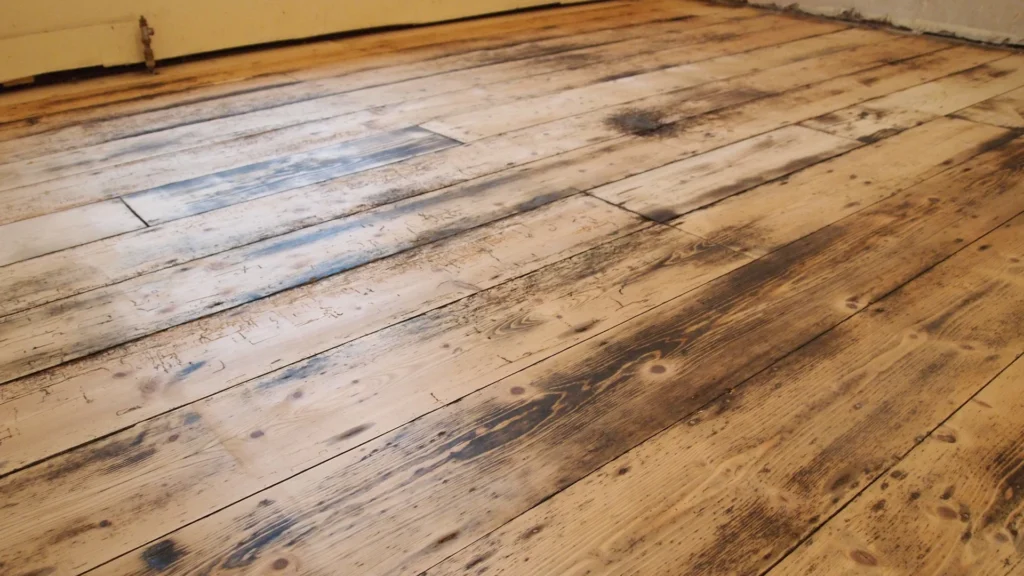
Squeaks are one failure mode. The others are mostly about moisture and wear. Cupping, where the edges of a board sit higher than its centre, happens when the underside of the flooring picks up more moisture than the top, usually from a damp basement, a slab without a proper vapour barrier, or a spill that reached the subfloor. Gapping is the opposite: boards shrink away from each other as indoor air dries out over a long heating season, opening lines you can see. Crowning, where the centre sits proud, often follows a cupped floor that was sanded flat too soon. Then there is straightforward damage, a board split by a dropped weight, a section worn through its finish in a doorway, or water staining after a leak. All of these are board-level problems, which means they are board-level repairs. Individual boards can be lifted out and replaced, and the replacement blended so the repair is not obvious, without touching the rest of the floor.
What we repair in a hardwood floor

These are the problems that bring people to us other than squeaks.

Damaged or split boards

Individual boards lifted out and replaced, with the new board blended into the surrounding floor.

Cupped boards

Edges sitting higher than the centre, usually a moisture problem underneath that has to be identified before repair.

Gaps between boards

Seasonal shrinkage opening visible lines, addressed once we know whether it will close again in summer.

Worn or damaged finish

High-traffic areas where the finish has gone through, treated locally rather than by refinishing everything.

Sections that have lifted or moved

Boards that have separated from the subfloor, refastened rather than replaced where the board itself is sound.

How we repair hardwood

Find the moisture source first

Cupping and lifting are symptoms. Replacing boards without addressing what wet them means doing it twice.

Replace at board level

Individual boards lifted and replaced, keeping the surrounding floor intact rather than working room by room.

Blend the repair in

Matching species, grain direction and finish as closely as the existing floor allows, so the repair does not announce itself.

What hardwood floor repair typically costs

A starting range based on published Ontario cost data for this kind of work, not our confirmed rate card. Board replacement varies with how closely the existing floor can be matched.

Whole-Room Hardwood Repair

$600 – $2,200 typical

Larger runs of damaged or cupped boards
Includes identifying the moisture source
Full scope agreed before starting

Get a Free Quote
Our Process

From your call to a repaired floor

1

Send us photos

Hardwood damage photographs well, and a photo often tells us most of what we need before visiting.

2

We look for the cause

Especially with cupping or lifting, the moisture source matters more than the boards themselves.

3

Written quote with a match note

We will tell you honestly how close a match we expect before you commit.

4

Repaired and blended

Boards replaced and blended into the existing floor, then walked through with you.

What homeowners tell us

Real feedback from customers we have worked with.

5/5

We hired them to fix squeaking and movement in our hardwood floor. They identified the underlying problem quickly and completed the repair without needing to replace the entire floor. Everything now feels solid and quiet.

Jennifer

Direct Client

5/5

They repaired deep scratches and chipped areas in our hardwood flooring. The available repair options were explained clearly and the results were excellent. The floor looks refreshed, and the damaged spots are no longer noticeable.

Amanda

Direct Client

5/5

They repaired several damaged hardwood boards in our living room and blended the replacements beautifully with the existing floor. The team was punctual, tidy, and careful throughout the job. You can barely tell where the damage was.

Michael

Direct Client

Hardwood floor repair questions

Can you match our existing hardwood?

Usually closely, sometimes exactly, occasionally not. It depends on the species, the width and profile of the boards, how much the existing floor has aged and darkened, and whether the finish is a stain or a natural oil. We will give you an honest read on the likely match before you commit, because a repair that stands out is worse than no repair for some people.

Our hardwood has cupped. Can that be flattened?

Sometimes, but not by sanding it, at least not first. Cupping means the underside of the boards has taken on more moisture than the top, so the priority is finding and fixing that moisture source and letting the floor stabilise. Boards often flatten substantially on their own once the cause is removed. Sanding a cupped floor flat while it is still wet underneath produces crowning later.

Do gaps between our hardwood boards need repairing?

Not always, and it is worth waiting to find out. Gaps that open in winter and close again in summer are normal seasonal movement and filling them causes problems when the boards expand again. Gaps that persist year-round are a different matter and can be addressed. We would generally want to see the floor in both seasons, or at least know what it does, before recommending filling.

Is it cheaper to repair hardwood or replace the room?

Repair, in almost every case, and often by a wide margin. Board-level replacement uses a small amount of material and targeted labour, while replacing a room means removing a floor that is largely sound, buying new material for all of it, and reinstalling. Replacement makes sense when the floor has been sanded to the end of its life or damage is genuinely widespread.

Do you refinish floors as well as repair them?

Our work is repair, which includes treating a damaged finish locally in the area we have worked on. A full sand and refinish of an entire floor is a different trade and a different job, and if that is what your floor actually needs we would rather tell you so than sell you a repair that will be sanded away six months later.

Damaged boards you would rather not replace the room for?

Get a free written quote for board-level repair blended into your existing floor.

Back to top