Weighted by housing age Toronto and Ottawa hubs Free written quotes

Where we work

Squeaky Floor picks its coverage by the age of the housing rather than the size of the population, because squeaks come from how a house was built and when.

That is why Hamilton’s lower city gets a page and several much larger, much newer municipalities do not.

Tell Us Where You Are

Tell us about your project and we will get back to you within 24 hours.

What can we help with?

So the right crew reviews your project.

No obligation. We reply within one business day.

Housing age, not population

Why our coverage map looks unusual

A squeak is a subfloor separating from a joist, which makes it a function of construction era rather than of population. Homes built with nailed plank or nailed plywood subfloor, roughly anything from before the 1980s, squeak far more than newer construction where the subfloor is typically glued and screwed. That single fact reshapes where the work is. Toronto has twenty-nine per cent of its homes built in 1960 or earlier against twelve per cent across the rest of the region, and Hamilton’s Ward 3 runs above seventy-four per cent. Meanwhile several of the region’s largest and fastest-growing municipalities have most of their housing built after 2000. We would rather tell you plainly that your subdivision is probably too new than take a call and a callout fee to say the same thing in person.

Areas we cover

Two city hubs and thirty-two neighbourhoods and towns, each with the housing-era detail that actually determines what your floor is doing.

Toronto

Toronto

Toronto has the deepest stock of squeak-prone housing in the country: 29 per cent of its homes were built in 1960 or earlier and 58 per cent in 1980 o

Squeaky floor repair in Toronto

Ottawa

Ottawa

Around 180,000 Ottawa homes, roughly 44 per cent of the city, were built before 1981, and the largest single cohort is the 1961 to 1980 window at 28.3

Squeaky floor repair in Ottawa

Toronto

East York

East York was incorporated as a township in 1924, right after the Prince Edward Viaduct opened in 1918 and made the east side of the Don commutable, a

Squeaky floor repair in East York

Toronto

Leaside

Leaside was laid out as a planned garden suburb in 1913 to a design by landscape architect Frederick Todd, but the houses came much later, with reside

Squeaky floor repair in Leaside

Toronto

Riverdale

Riverdale was annexed to Toronto in 1884, and its side streets carry Victorian and Edwardian semi-detached and row housing, with the Blake-Jones pocke

Squeaky floor repair in Riverdale

Toronto

The Beaches

The Beaches grew out of a lakeside resort district, and its residential build-out is anchored by real dates: houses on Lee Avenue from 1901, the Beach

Squeaky floor repair in The Beaches

Toronto

Danforth

The Danforth developed from the 1910s through the 1930s as a streetcar suburb along the Danforth line, and most of the housing on the side streets nor

Squeaky floor repair in Danforth

Toronto

High Park

High Park North was subdivided from the Keele estate in 1882, though most of the houses standing today went up after the First World War when Bloor St

Squeaky floor repair in High Park

Toronto

Roncesvalles

Roncesvalles was largely built from 1900 until the First World War, with almost all of its houses in the American Foursquare style, and a later run of

Squeaky floor repair in Roncesvalles

Toronto

The Junction

The Junction was founded as a village in 1884 and annexed to Toronto in 1909, and its housing splits between a prosperous late-1880s wave and a second

Squeaky floor repair in The Junction

Toronto

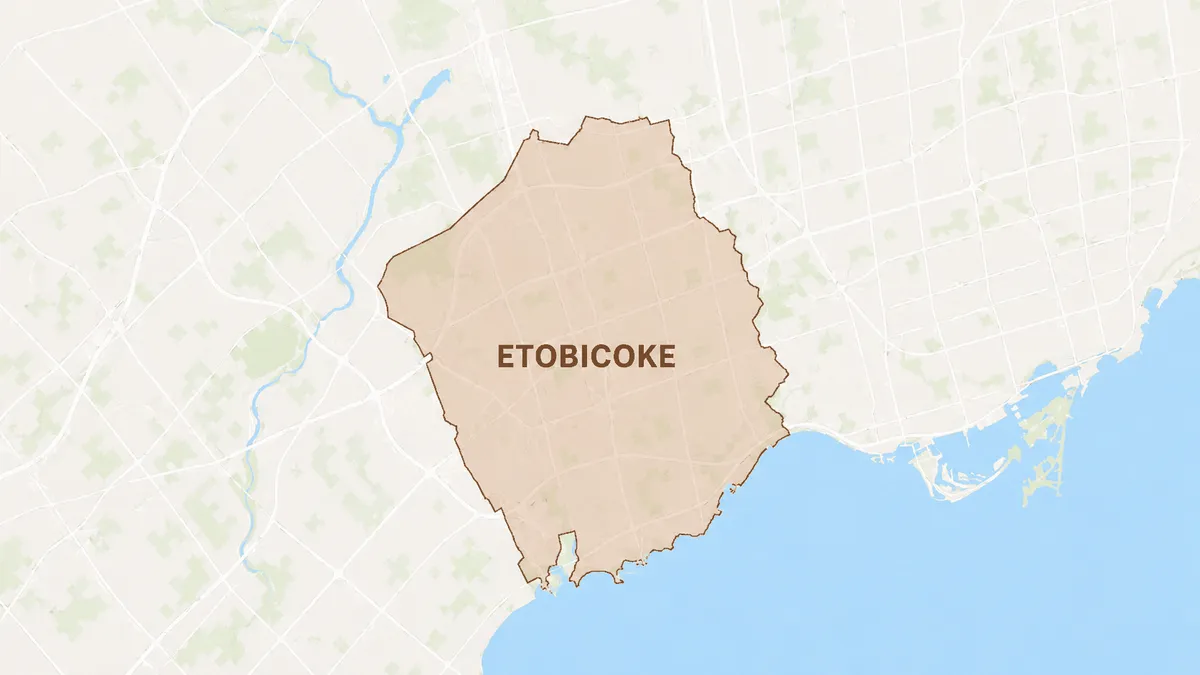
Etobicoke

Etobicoke went from 19,000 people in 1941 to 156,000 by 1961, and its lakeside villages are older again: Mimico's homes run from 1920s to 1940s bungal

Squeaky floor repair in Etobicoke

Toronto

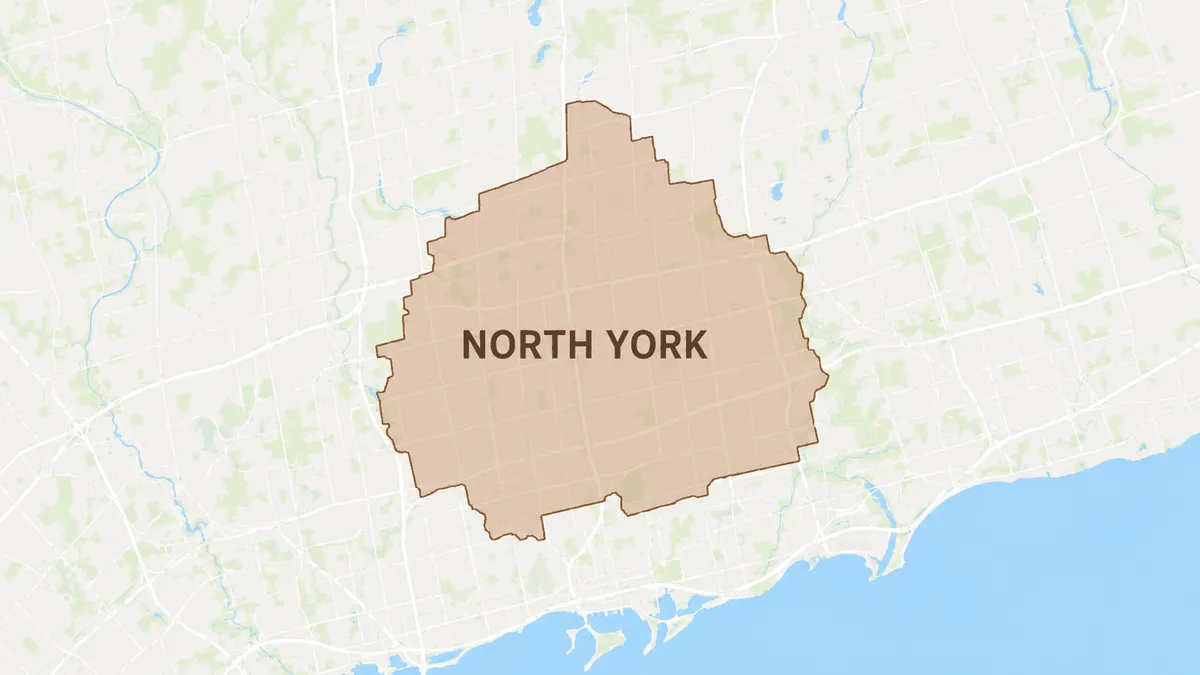
North York

North York's growth surged from the 1950s, and it holds two of the city's best-known planned neighbourhoods: Don Mills, assembled from 1952 and design

Squeaky floor repair in North York

Toronto

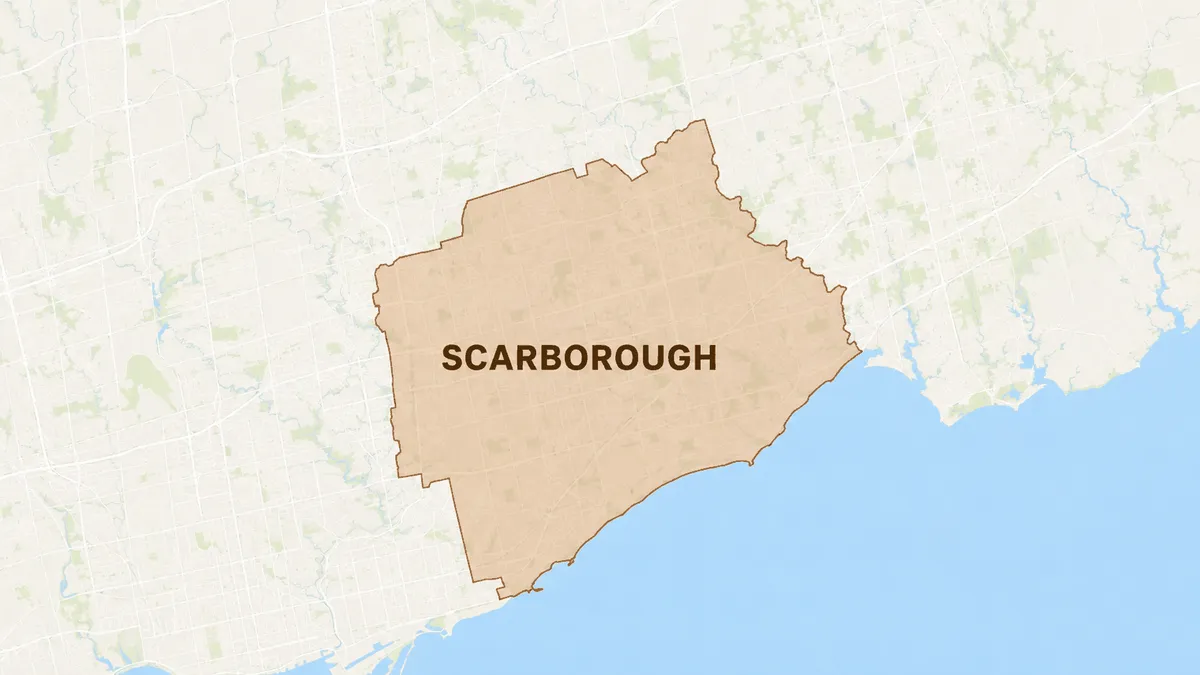
Scarborough

Scarborough's population doubled from 48,000 to 110,000 between 1950 and 1955 and tripled again by 1970, though Birch Cliff is the exception: it was t

Squeaky floor repair in Scarborough

Ottawa

The Glebe

The Glebe was subdivided east of Bank Street in 1890 and was effectively full by 1940: the community's own records count only 298 vacant lots left in

Squeaky floor repair in The Glebe

Ottawa

Westboro

Westboro grew along Richmond Road from the late 1800s, was a police village from 1903 and annexed to Ottawa around 1949, and most of its houses were b

Squeaky floor repair in Westboro

Ottawa

Hintonburg

Hintonburg was settled in 1826, incorporated as a village in 1893 and annexed to Ottawa in 1907, and its housing divides sharply: century-old clapboar

Squeaky floor repair in Hintonburg

Ottawa

Old Ottawa South

Old Ottawa South was settled around 1814, became a police village in 1905 and was annexed to Ottawa in 1907, and grew rapidly after the streetcar arri

Squeaky floor repair in Old Ottawa South

Ottawa

Alta Vista

Alta Vista was part of Gloucester Township until Ottawa annexed it in 1950, and suburbanised through the 1950s with Faircrest Heights, Applewood Acres

Squeaky floor repair in Alta Vista

Ottawa

Sandy Hill

Sandy Hill grew from Louis-Theodore Besserer's estate and is named for the sandy soil that, as one architectural guide puts it, makes it difficult to

Squeaky floor repair in Sandy Hill

Ottawa

New Edinburgh

New Edinburgh was laid out by Thomas MacKay after he bought the land at the meeting of the Rideau and Ottawa rivers in 1829, and although planning beg

Squeaky floor repair in New Edinburgh

Ottawa

Manor Park

Manor Park was built over the 1920s Rockcliffe Annex after the Second World War and was Ottawa's first postwar subdivision, with the first families mo

Squeaky floor repair in Manor Park

Ottawa

Nepean

Older Nepean has the tightest build dates in Ottawa: Bel-Air Park's homes were all built between 1956 and 1958, Copeland Park's first house went up in

Squeaky floor repair in Nepean

Ottawa

Kanata

Kanata began with Beaverbrook, its first and oldest neighbourhood, where Bill Teron developed the first street in 1964, and continued into Katimavik a

Squeaky floor repair in Kanata

Southern Ontario

Hamilton

Hamilton has the oldest housing stock of any large city in the region: 32.8 per cent of its dwellings were built in 1960 or earlier against 22.7 per c

Squeaky floor repair in Hamilton

Southern Ontario

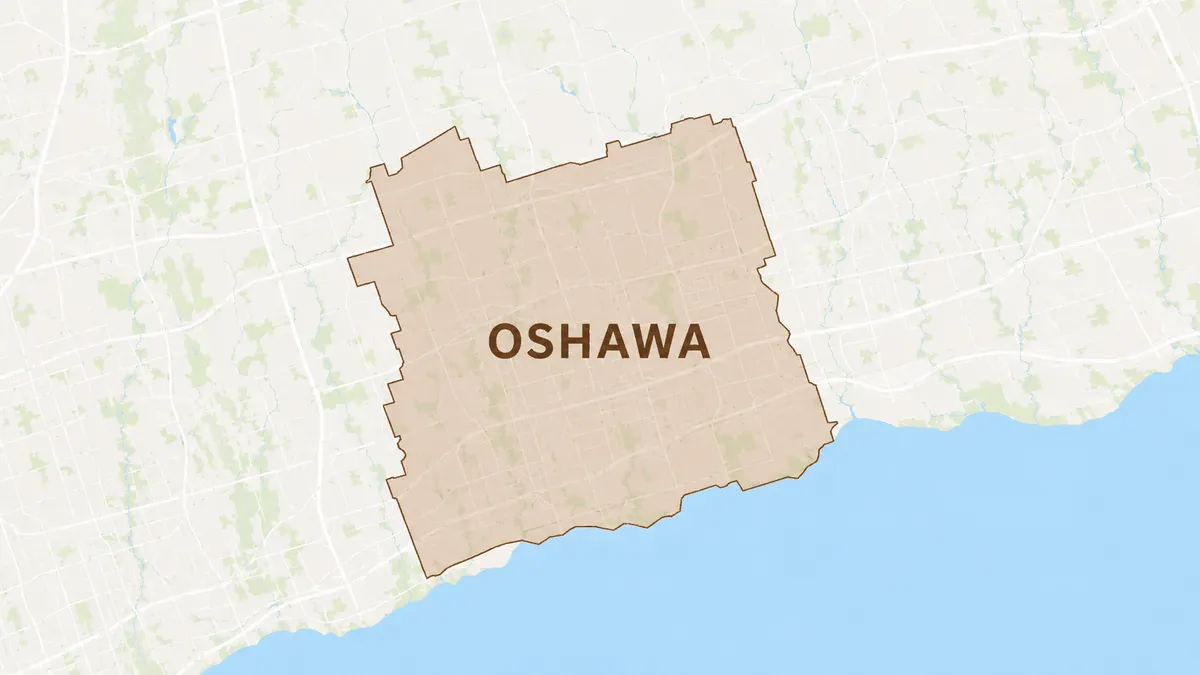
Oshawa

Oshawa became a city in 1924 and grew in distinct waves around the auto industry, from the Plan of Simcoe Heights registered in May 1912 through to th

Squeaky floor repair in Oshawa

Southern Ontario

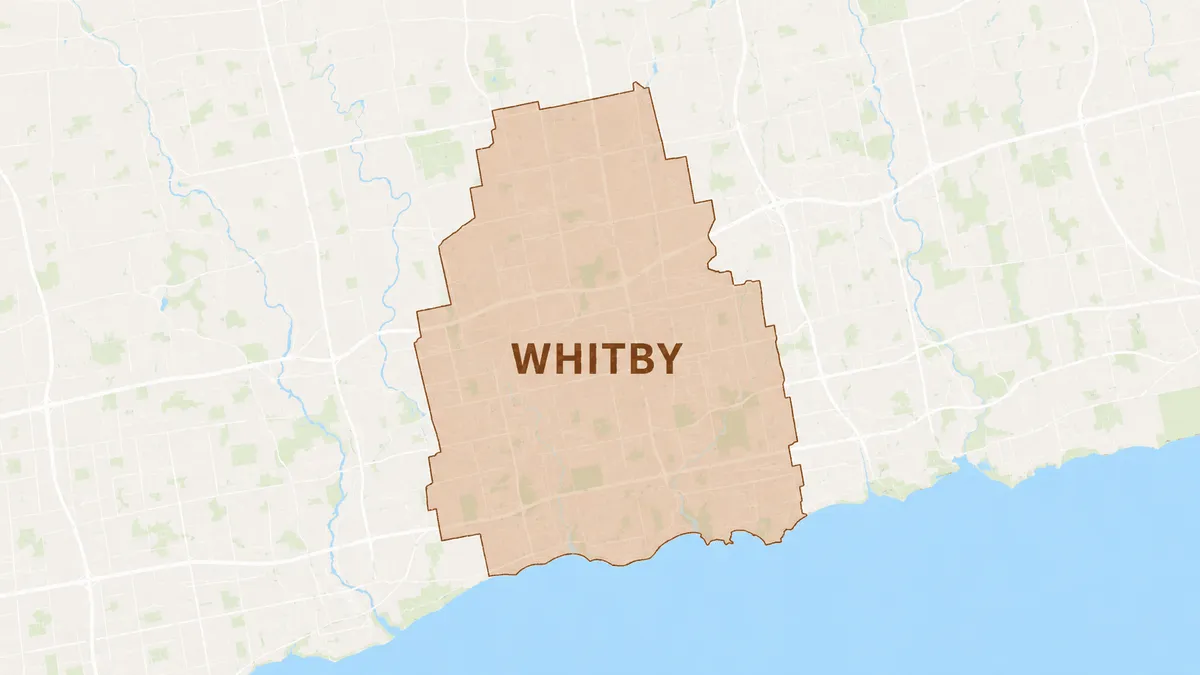
Whitby

Whitby's older housing is concentrated in two heritage conservation districts: Werden's Plan in the downtown, covering about 250 properties, and the B

Squeaky floor repair in Whitby

Southern Ontario

Burlington

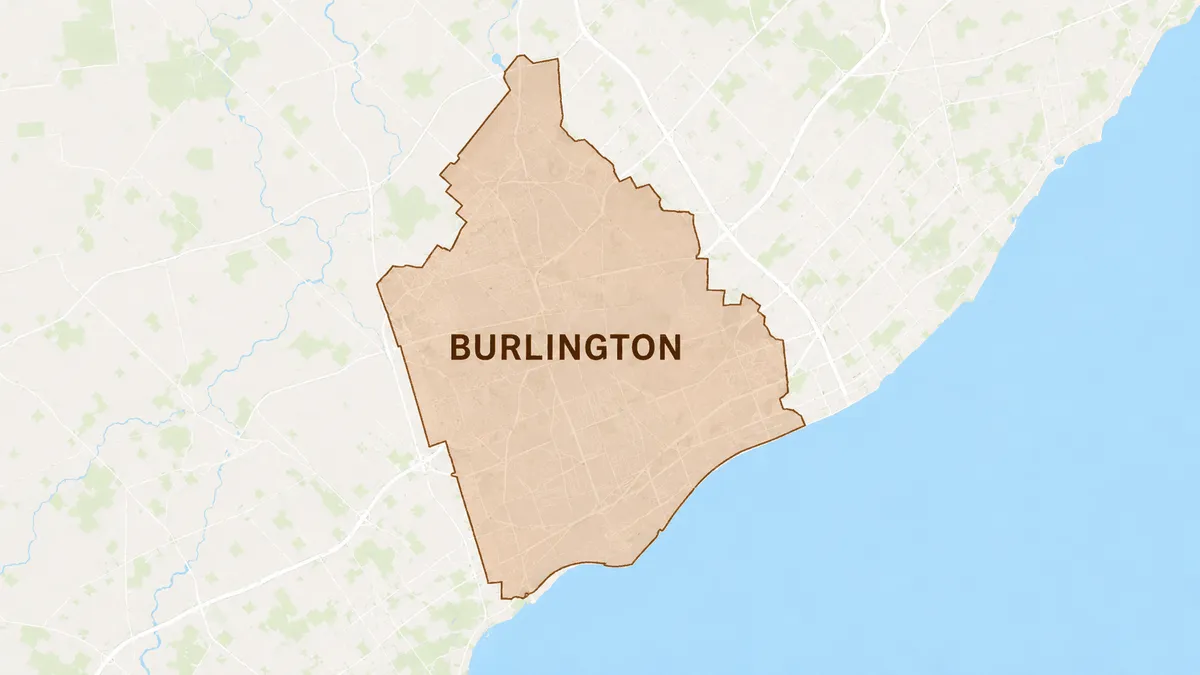
Burlington was formed in 1873 when the villages of Wellington Square and Port Nelson merged, became a town in 1914, and expanded dramatically on 1 Jan

Squeaky floor repair in Burlington

Southern Ontario

Oakville

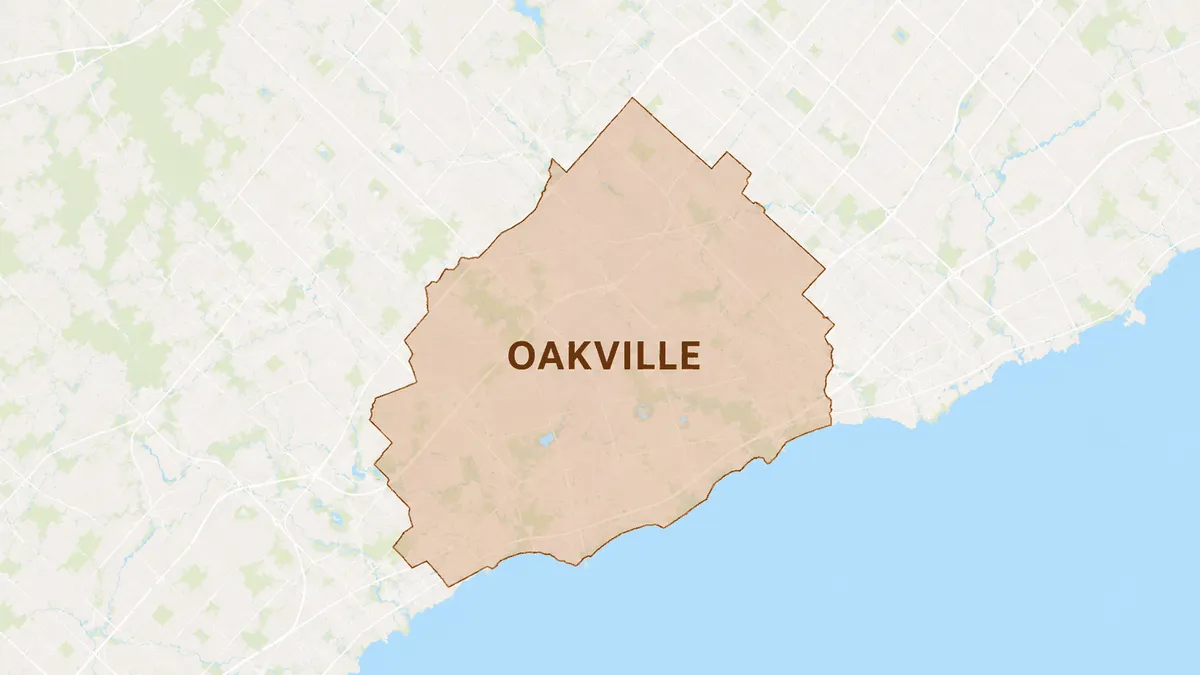
Oakville's old core is overwhelmingly wood-frame: the 1851 census recorded 130 frame houses against just four in brick, and the 1861 census 228 frame

Squeaky floor repair in Oakville

Southern Ontario

Thornhill

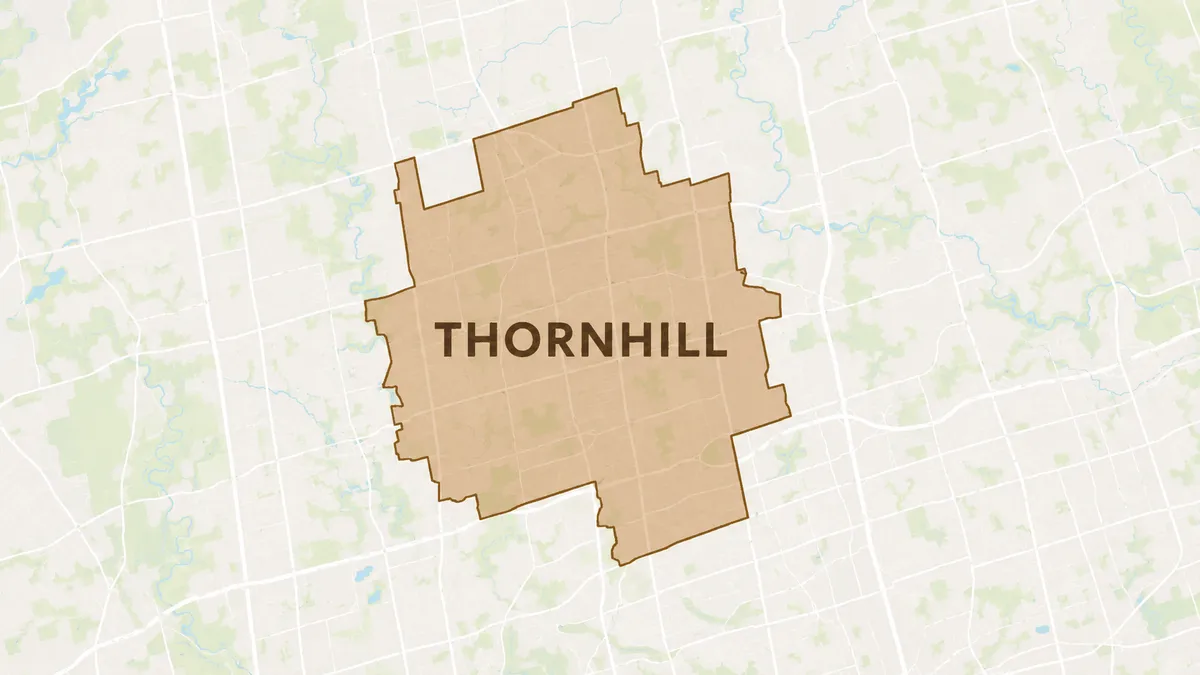
Thornhill was founded in 1794 by the first Yonge Street settlers and takes its name from Benjamin Thorne, who arrived in 1820, but the housing we most

Squeaky floor repair in Thornhill

Southern Ontario

Unionville

Unionville was founded in 1794 by William Berczy's settlers and officially named in 1849, but the City of Markham's own district plan is clear that ma

Squeaky floor repair in Unionville

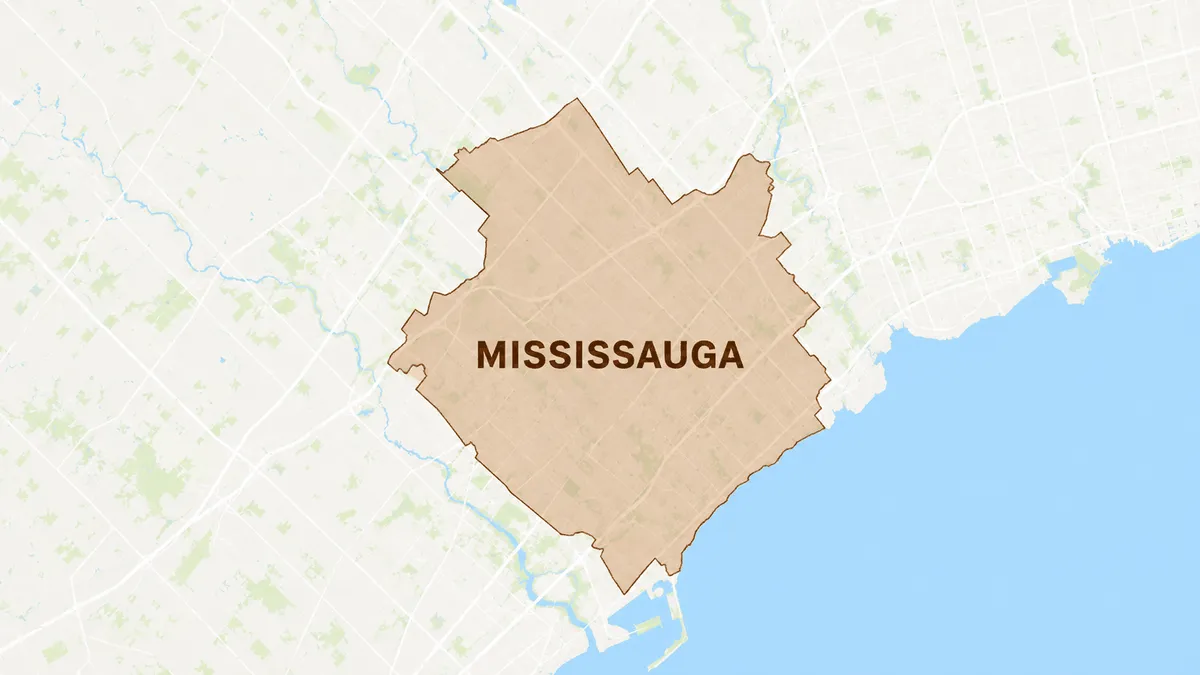
Mississauga

Port Credit

Port Credit's town site was surveyed in 1834, it incorporated as a village in 1914 and a town in 1961, and 95 per cent of its dwellings were built bef

Squeaky floor repair in Port Credit

Mississauga

Lakeview

Lakeview has the strongest postwar housing concentration in Mississauga: 34.2 per cent of its dwellings were built between 1946 and 1960, more than fo

Squeaky floor repair in Lakeview

Mississauga

Cooksville

Cooksville began as Harrisville in 1808 and was renamed in 1836, but a fire in 1852 destroyed many of the original homes and businesses, and the housi

Squeaky floor repair in Cooksville

Mississauga

Streetsville

Streetsville was surveyed in 1819 by Timothy Street, incorporated as a village in 1858, and holds the largest concentration of historic buildings in M

Squeaky floor repair in Streetsville

How we chose these areas

Old housing, not big population

Squeaks come from construction era. A neighbourhood of 1920s semis produces more of this work than a much larger subdivision built in 2010.

Two storeys over living space

The house forms that generate the most complaints put bedrooms directly over living rooms, which is why the older cores rank higher than the bungalow belts.

We leave out what is too new

Several large municipalities have most of their housing built after 2000. We would rather say so than sell a page and a callout for a floor that is unlikely to squeak from age.

If your area is not listed

It is still worth asking

The list reflects where the old housing is concentrated, not the limit of where we will travel.

Newer builds may be a warranty matter

If your home is recent, the noise may be covered by Ontario's new home warranty rather than being something you should pay for.

Tell us the build year

The single most useful thing you can tell us on a first call is roughly when the house was built and what is below the floor.

Photos help more than descriptions

A photo of the room and of whatever is underneath usually tells us more than five minutes on the phone.

Questions about our coverage

Why do you not cover every city in the region?

Because squeaks are a function of construction era and covering areas where the housing is largely post-2000 would mean writing pages for a problem those homeowners mostly do not have. Several of the region's largest municipalities have the majority of their housing built after 2000. We would rather have a shorter, honest list.

Will you travel outside your listed areas?

Frequently, yes. The list shows where this kind of housing is concentrated rather than a hard boundary. If you are somewhere nearby with an older home, ask. What we will not do is take a long callout to a very new house without first telling you honestly that age-related squeaks are unlikely.

Which area has the most squeaky floors?

On the numbers, Hamilton's lower city. Wards 3 and 4 have over seventy per cent of their dwellings built in 1960 or earlier, which is more than double the Ontario average and higher than any comparable area we work in. Toronto's old city has more total volume, but Hamilton has the higher concentration.

Do you charge more to travel further?

Distance is one of the things reflected in a quote, and we will be upfront about it rather than adding it afterwards. In practice it usually makes more sense to combine several repairs into one visit if you are further out, and we will suggest that where it applies.

Not sure whether we cover you?

Tell us where you are and roughly when the house was built, and we will give you a straight answer.

Back to top