Slab and sleeper systems Moisture aware Free written quotes

Basement floor repair

Squeaky Floor repairs flooring in finished basements, where a concrete slab underneath changes both what goes wrong and how it gets fixed.

A basement floor sits on concrete, not joists, so almost nothing about a normal squeak diagnosis applies.

Get a Free Quote for This Repair

Tell us about your project and we will get back to you within 24 hours.

What can we help with?

So the right crew reviews your project.

No obligation. We reply within one business day.

Why basement floors are a different problem entirely

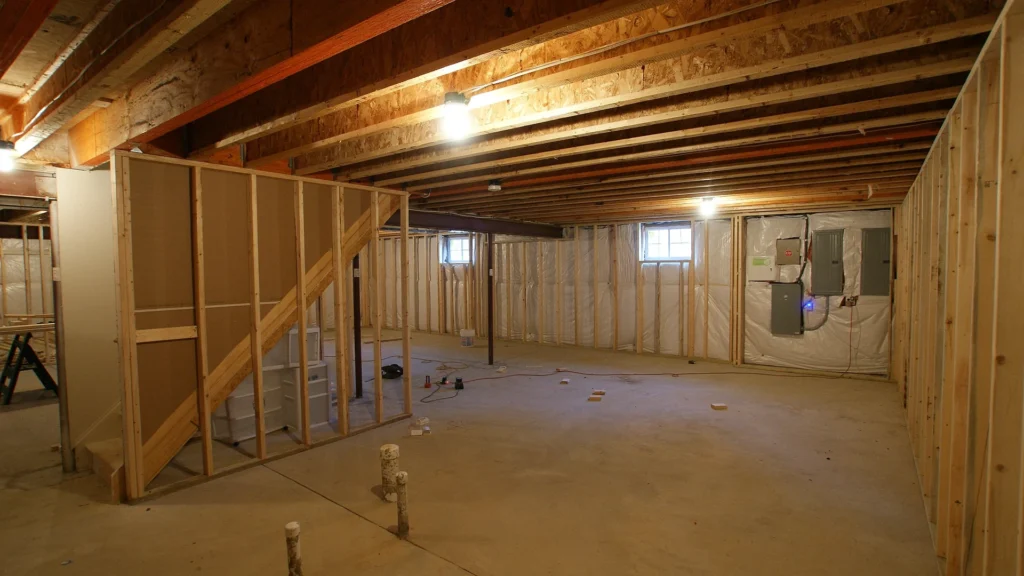
Everything else on this site is about a subfloor separating from a joist. A basement floor usually has neither. It sits on a concrete slab, either directly with a floating floor and underlay over it, or on a sleeper or subfloor panel system that raises the finished floor off the concrete. That changes the failure modes completely. Noise in a basement is not a joist connection; it is more often a floating floor bridging an uneven slab, a subfloor panel that has lost contact with the concrete, or a sleeper that has moved. Moisture is the other half of the story and it is a bigger factor than upstairs. Concrete is not waterproof, and a slab without an effective vapour barrier beneath it moves moisture upward continuously, which is why a floor that seemed fine for two years can cup, lift or develop an odour. Any basement flooring repair that ignores where the moisture is coming from is a repair with a countdown on it.
What actually goes wrong in a basement

Different from an upstairs floor in almost every respect.

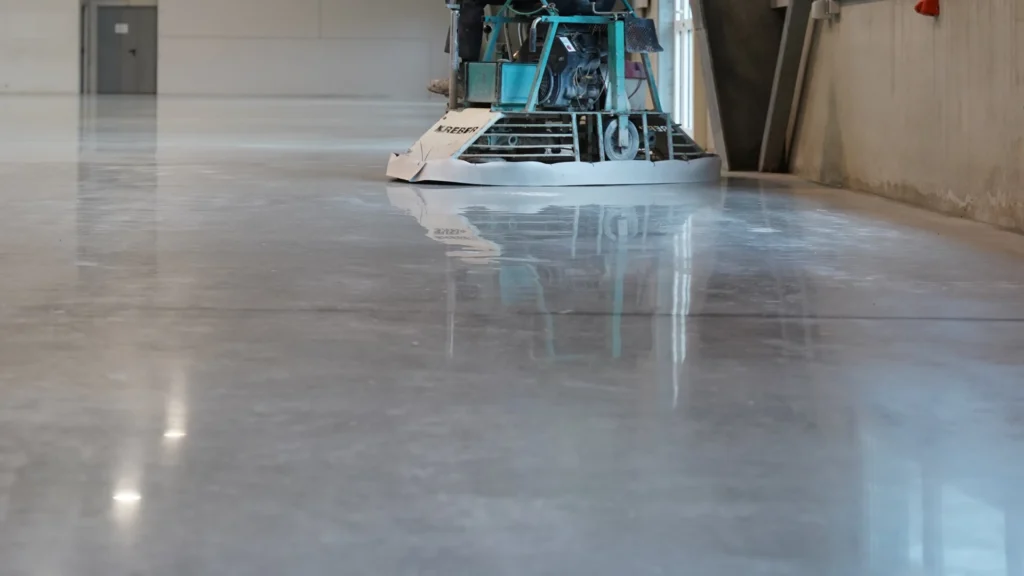
An uneven slab

Floating floors bridge low spots in concrete rather than following them, producing hollow, clicking areas.

Moisture moving up through concrete

A slab without an effective vapour barrier passes moisture continuously, which flooring above eventually reacts to.

Subfloor panel systems losing contact

Raised panel systems that no longer sit flat on the slab, so they move underfoot.

Sleeper movement

Wood sleepers laid on concrete that have shifted, twisted or taken on moisture from below.

Efflorescence and odour

White mineral deposits or a musty smell, both of which point at moisture rather than at the flooring itself.

How we approach a basement floor

Establish the moisture position first

Repairing basement flooring without knowing what the slab is doing is how you end up doing it twice.

Check the slab for flatness

Most basement floor noise is a flatness problem, and it is fixed at the slab rather than in the flooring.

Rebuild the assembly correctly

Whether that means levelling, a proper vapour break, or resetting a sleeper system, the layers have to be right.

What basement floor repair typically costs

A starting range based on published Ontario cost data for this kind of work, not our confirmed rate card. Moisture findings can change scope substantially, which is why we assess first.

Larger Basement Work

$1,000 – $3,000 typical

Levelling, sleeper resetting or multiple areas
Full assessment of the slab condition
Written quote before anything begins

Get a Free Quote
Our Process

From your call to a sound basement floor

1

Describe what you are noticing

Hollow spots, lifting, a musty smell, or white deposits. Each points somewhere different.

2

We ask about the history

Whether the basement has ever taken water, and how the floor was originally built over the slab.

3

Assessment before quoting

Moisture and flatness checked first, because both change what the right repair is.

4

Repaired in the right order

Slab issues addressed before flooring goes back, so the repair actually lasts.

What homeowners tell us

Real feedback from customers we have worked with.

5/5

They repaired several damaged hardwood boards in our living room and blended the replacements beautifully with the existing floor. The team was punctual, tidy, and careful throughout the job. You can barely tell where the damage was.

Michael

Direct Client

5/5

Our laminate flooring had lifted near the kitchen after a small water leak. They replaced the affected sections and repaired the surrounding area. The finished repair looks clean and matches the rest of the flooring very well.

Daniel

Direct Client

5/5

We needed an urgent flooring repair after several boards became loose and uneven. The team responded quickly, secured the boards, and corrected the uneven sections. Professional service and a high-quality repair from start to finish.

Robert

Direct Client

Basement floor repair questions

Why does our basement floor feel hollow in places?

Almost always because the concrete slab underneath is not flat there. A floating floor spans a low area rather than following it, so stepping on that spot deflects the planks into the void and produces a hollow click. The flooring is behaving exactly as designed; the fix is levelling the slab in that area, not doing anything to the planks.

Our basement smells musty but the floor looks fine. Is that related?

It can be, and it is worth checking properly rather than treating it as an air-freshener problem. Moisture moving up through a concrete slab can be held against the underside of the flooring where it cannot evaporate, and a musty odour is frequently the first sign of that, well before anything is visible on the surface. Finding out where the moisture is coming from matters more than the flooring.

What is efflorescence and should we worry about it?

It is the white, powdery mineral deposit you sometimes see on concrete, left behind when moisture moves through the slab and evaporates at the surface, carrying dissolved salts with it. The deposit itself is harmless. What it tells you is not: it is direct evidence that moisture is moving up through your slab, which is worth understanding before putting flooring over it.

Can we put hardwood in a basement?

Solid hardwood directly on a slab is generally a poor idea because of the moisture exchange, and most manufacturers say so. Engineered hardwood, luxury vinyl plank and laminate over a proper vapour barrier are much better suited to below-grade conditions. If you already have solid hardwood down there and it is cupping, the moisture position is almost certainly the reason.

Is a basement floor repair different in an older house?

Often substantially. Older Ontario basements frequently have slabs poured without any vapour barrier beneath them, because that was not standard practice at the time, and some have no slab issues at all while others pass moisture continuously. We would rather establish what you actually have than assume based on the age of the house.

Basement floor lifting, clicking or smelling musty?

Get a free written quote after we have checked what the slab underneath is doing.

Back to top