A postwar city, with older cores inside it
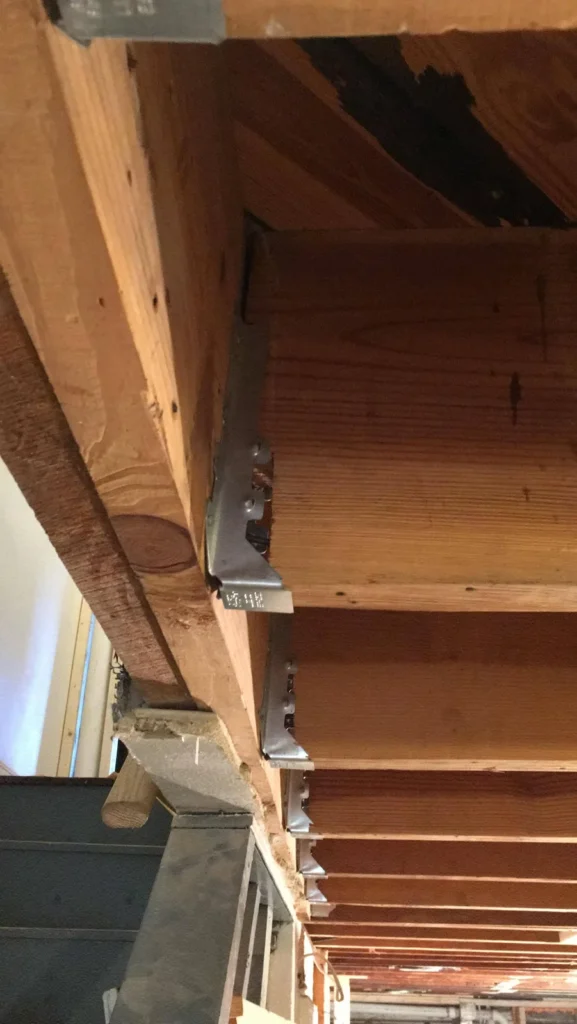
Ottawa’s housing is mostly postwar, and that changes where its squeaks come from. The largest band is 1961 to 1980, at 28.3 per cent of homes. Houses of those years typically have plywood sheet subfloor nailed to the joists. After forty or more heating seasons, the nails no longer hold every sheet tight. Only 15.9 per cent of homes were built in 1960 or earlier. The pre-war stock sits in a few inner neighbourhoods, such as New Edinburgh, the Glebe and Old Ottawa South. There, board subfloor laid across sawn joists is more common than plywood. Houses from the 1950s can have either boards or plywood. About 29 per cent of Ottawa homes were built from 2001 to 2021. A squeak in one of those is usually a construction detail rather than age (Statistics Canada, 2021 Census Profile).